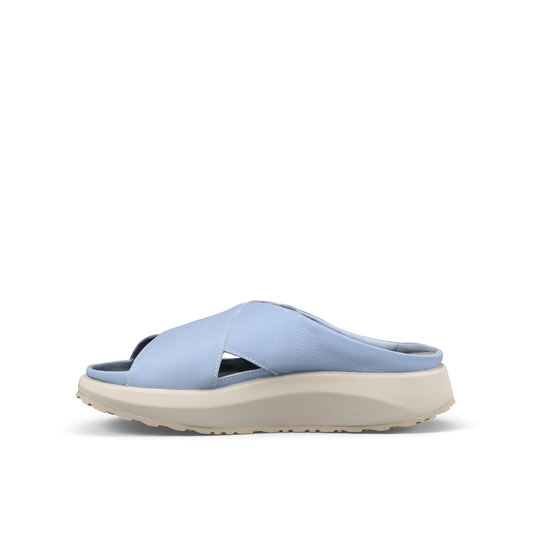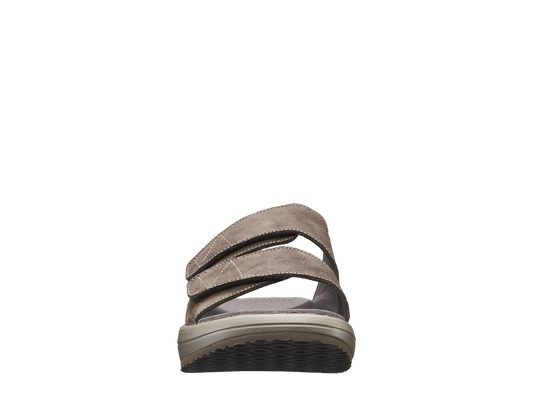
Which shoes are suitable for flat feet?

Ratgeber Health | Flat feet

For flat feet, shoes with a good fit, comfortable cushioning, sufficient stability and a smooth rolling motion are recommended. Depending on the severity, good arch support may also be beneficial. Comfort-oriented Joya models are appreciated by many people with sensitive feet.

Note: Shoes cannot correct or heal flat feet. If symptoms persist, you should consult an orthopaedic professional.

Am I affected?

  • You have flat feet
  • You experience foot or leg discomfort
  • You stand or walk for many hours every day
  • You are looking for shoes with high cushioning
  • You wear custom orthotic insoles
  • You want to improve walking comfort

Possible causes

  • Congenital foot shape
  • Connective tissue weakness
  • Injuries
  • Ageing processes
  • Excess weight
  • Overuse
  • Neurological disorders
  • Weak foot muscles
  • Changed foot alignment
  • Standing for long periods

What role does the shoe play?

With flat feet, the longitudinal arch of the foot is largely or completely lowered. This can change the distribution of load when walking. Well-fitting shoes can improve walking comfort and support the foot in everyday life.

Good fit

secure fit without constricting the flattened foot.

Comfortable cushioning

relieves the more heavily stressed sole of the foot.

Sufficient stability

guides the foot and counteracts inward rolling.

Arch support

depending on requirements, also in combination with custom orthotic insoles.

Smooth rolling motion

supports an even distribution of load when walking.

Shoes are not a substitute for a medical diagnosis. If symptoms persist or are severe, we recommend seeking medical advice.

In brief

Flat feet can be congenital or acquired.

Not every case of flat feet causes discomfort.

Suitable shoes can improve walking comfort.

Fit and stability are more important than maximum softness.

Depending on the situation, orthotic insoles may be beneficial.

Pain should be medically assessed.

Buying guide

With flat feet, fit and guidance are crucial. Allow a little extra time for trying on shoes.

Anprobe-Tipp Warum
Try them on in the afternoon or evening Feet are then slightly swollen
Make sure there is enough room in the forefoot Helps prevent pressure points
Check the heel fit Gives the foot guidance
Walk a few steps Test the feel and rolling motion
Bring orthopaedic insoles They require additional volume in the shoe

Joya develops shoes with a focus on comfort-oriented walking. Depending on the model, they offer FOREVERFOAM®, different lasts, high-quality materials and a soft rolling motion. Various models also provide sufficient space for custom orthotic insoles.

Flat feet - Frequently asked questions

Which shoes are suitable for flat feet?
Well-fitting shoes with comfortable cushioning, sufficient stability and – depending on requirements – arch support are recommended.
Are Joya shoes suitable for flat feet?
Many people with sensitive feet choose Joya because of the high level of walking comfort. Individual suitability should be assessed by trying the shoes on.
Can shoes heal flat feet?
No. Shoes can improve comfort, but they cannot correct the foot misalignment.
Are soft shoes better?
The key is the combination of cushioning, stability and fit.
Are orthotic insoles beneficial?
Depending on the severity, individually fitted orthotic insoles may be beneficial. This should be discussed with a professional.
Can I wear Joya all day?
Many models are designed for long-lasting comfort in everyday life.
What role does the arch of the foot play?
Depending on the shape of the foot, arch support can contribute to a more comfortable walking experience.
Can I do sports?
In many cases, yes. The appropriate sport depends on the individual symptoms and the recommendations of the treating professional.
Which shoes should I avoid?
Poorly fitting or heavily worn shoes can impair walking comfort.
How do I find the right Joya shoe?
The shape of the foot, intended use and personal preferences are decisive. Trying the shoes on is recommended.
When should I seek medical advice?
If pain increases, there are pronounced misalignments or everyday activities are restricted, an orthopaedic assessment should be carried out.

Related topics