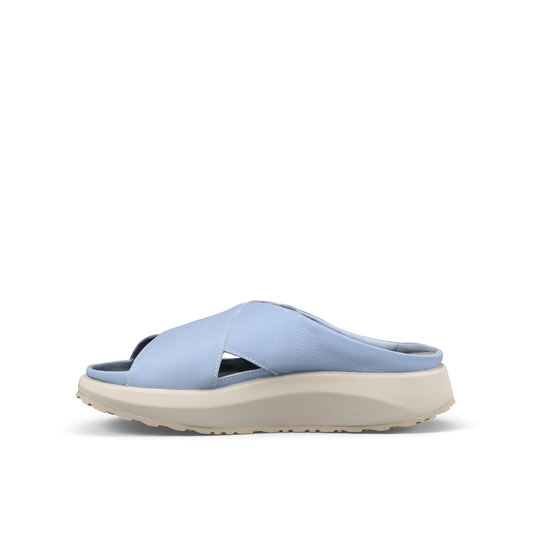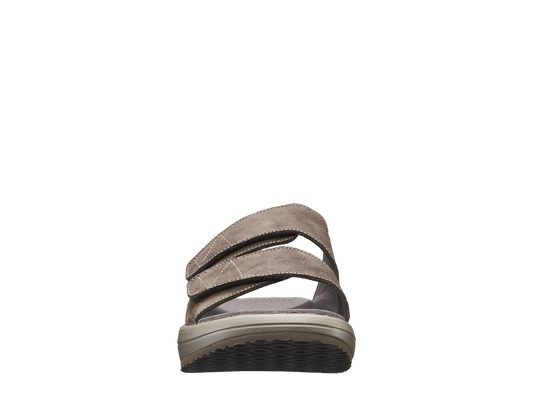
Which shoes are suitable for knee osteoarthritis?

Ratgeber Health | Knee osteoarthritis

For knee osteoarthritis, well-fitting shoes with comfortable cushioning, stable guidance and a harmonious rolling motion are recommended. They can improve walking comfort and distribute the strain of everyday activities more pleasantly.

Joya offers comfort-oriented models worn by many people with sensitive joints.

Note: Shoes cannot cure knee osteoarthritis or prevent its progression. If symptoms persist or worsen, medical advice should be sought.

Am I affected?

  • You suffer from knee osteoarthritis
  • You experience knee pain when walking
  • You stand or walk for many hours each day
  • You are looking for comfortable everyday shoes
  • You want to make the strain on your knees as comfortable as possible
  • You are looking for shoes with high cushioning and a good fit

Possible causes

  • Age-related joint wear and tear
  • Previous knee injuries
  • Being overweight
  • Incorrect strain
  • Lack of exercise
  • Genetic factors

What role does the shoe play?

Knee osteoarthritis is wear and tear of the knee joint. Suitable shoes can improve walking comfort and reduce pressure peaks, but they do not replace medical treatment.

Good fit

a secure fit supports an even leg axis.

Comfortable cushioning

reduces pressure peaks when stepping.

Harmonious rolling motion

enables a smooth transition from the heel to the forefoot.

Sufficient stability

guides the foot and provides the knee with security.

Secure hold

prevents the foot from tipping sideways inside the shoe.

Shoes are not a substitute for a medical diagnosis. If symptoms persist or are severe, we recommend seeking medical advice.

In brief

Knee osteoarthritis is the most common joint disease.

Suitable shoes can improve walking comfort.

Cushioning and fit are more important than maximum softness.

Regular exercise remains a central part of treatment.

Shoes do not replace medical treatment.

If symptoms are severe, medical evaluation should be sought.

Buying guide

With knee osteoarthritis, balanced cushioning and an even rolling motion are important. Test both directly when trying on the shoes.

Anprobe-Tipp Warum
Try them on in the afternoon or evening Feet are then slightly swollen
Make sure there is enough room in the shoe Helps prevent pressure points
Check the heel fit Prevents the foot from tipping sideways
Walk a few steps Test the rolling motion and cushioning
Bring insoles when trying on shoes They change the fit and available space

Joya develops shoes with a focus on comfort-oriented walking. Depending on the model, they offer FOREVERFOAM®, a harmonious rolling motion, high-quality materials and different fits for individual needs.

Knee osteoarthritis - Frequently asked questions

Which shoes are suitable for knee osteoarthritis?
Well-fitting shoes with comfortable cushioning, stable guidance and a harmonious rolling motion are recommended.
Are Joya shoes suitable for knee osteoarthritis?
Many people with sensitive joints choose Joya because of the high level of walking comfort. Suitability depends on individual needs.
Can shoes cure knee osteoarthritis?
No. Shoes can improve comfort, but they do not replace medical treatment.
Are soft shoes better?
What matters is the interaction between cushioning, stability and fit.
Can I use insoles?
Depending on the model, individual insoles can be used.
Are Joya shoes suitable for long walks?
Many models are designed for long-lasting walking comfort in everyday life.
What role does fit play?
A good fit provides a secure hold and reduces pressure points.
Should I walk a lot?
Regular, joint-friendly exercise is often recommended. Discuss your exercise programme with your healthcare professional.
Which shoes should I avoid?
Heavily worn or poorly fitting shoes can impair walking comfort.
How do I find the right Joya shoe?
The choice depends on foot shape, intended use and personal preferences. Trying the shoes on is recommended.
When should I seek medical advice?
If pain increases, swelling occurs or movement is significantly restricted, a medical assessment should be arranged.

Related topics